

Make Crafts to Sell (Profitable Money Making Craft Ideas)
If you’ve ever dreamed of turning your love of crafting into a source of extra money, you are far from alone. Many small business owners, stay-at-home moms, new parents, and hobby crafters have discovered that the world of handmade items presents a great way to earn extra income in your spare time.

The best part is that there are different ways to reach potential customers—from setting up an Esty shop or online marketplace presence to selling at local craft fairs, partnering with local businesses, or building your own website.
Note: I don't have enough of my own photographs for this post, so I am relying on the creativity of unsplash.com and the free stock photos available from skilled photographers.

Whether you’re interested in handmade jewelry, soy candles, digital products, tote bags, body scrubs, paper flowers, or even diy bath bombs, there are endless opportunities to make money with the right approach.

The key is understanding the best crafts to sell, how to reach your target market, how to price for labor costs and material costs, and how to choose easy things you can produce consistently.

This comprehensive guide walks you through the best ways to start your own craft business, the most profitable crafts you can make, and a step-by-step tutorial for getting your first sales.
Consider this your detailed roadmap to building a thriving and profitable business with your creativity at the center.
-min.jpg)
Why Crafts Are a Great Way to Earn Extra Cash
Handmade items have exploded in popularity as customers look for unique designs, natural ingredients, and meaningful products that feel personal. With the rise of online sales and social-first shopping, it has never been easier to find people who appreciate handmade crafts.

Here’s why crafting is a great option for making extra cash:
1. Low Startup Costs
Most crafters already have a craft bin, sewing machine, Cricut machine, mason jars, tissue paper, or other supplies on hand. Even if you need to buy additional tools, you can often avoid expensive materials by planning simple designs and using products from thrift stores or discount stores.

2. High Demand for Handmade Products
Many of the most profitable crafts are items people buy every day: home decor, body products, hair accessories, and gifts for pet owners, new parents, families, and seasonal shoppers. These markets are huge.

3. Endless Niches to Explore
Whether your passion is handmade soap, lip balm, digital art, wall art, art prints, or fun crafts, you can tailor your offerings to the people you most enjoy making things for.

4. Easy Way to Start Small
A great thing to do is to test ideas (market research) by selling five items at a flea market or twenty items through an Etsy shop before investing in a full online store. This flexibility keeps risk low and creativity high.
-min.jpg)
What Crafts Actually Sell? The Most Profitable Crafts to Consider
A successful craft business begins with knowing the best money-making crafts. The following categories consistently earn the most money across both online and in-person craft markets.

1. Body Products: Soap, Scrubs & Bath Items
Body products are among the best things you can sell because they use natural ingredients, appeal to a wide target audience, and make great gifts. Examples include:
-
Handmade soap in different scents, different colors, and seasonal shapes
-
Body scrubs made with sugar, coffee, or Himalayan salt
-
Lip balm with essential oils
-
DIY bath bombs with skin-safe colors and oils
These require careful attention to safety and ingredients but remain in high demand all year long.

2. Candles and Wax Products
Soy candles are especially trendy because they burn cleanly and can be customized with:
-
Essential oils
-
Fresh or botanical colors
-
Fun themes
-
Personalized labels
This category is accessible and scalable—perfect for making good money with a modest setup.

3. Handmade Jewelry
The jewelry industry is massive, and customers are constantly searching for:
-
Earrings in different colors
-
Wire-wrapped crystals Check out this post here!
Wire-wrapped crowns Check out this post here!
-
Polymer clay jewelry
-
Metal stamped bracelets
-
Resin pendants
These require very little space, tend to have low material costs, and offer excellent profit margins due to their unique designs.

4. Home Decor
Home decor is one of the best crafts to sell because customers love products that make their living space feel special. Popular options include:
-
Picture frames refurbished from thrift stores
-
Seasonal wreaths
Laser Cut/Engraved Wood Signs
-
Paper flowers made with tissue paper
-
Signs and wall art made with a Cricut machine
-
Personalized mason jars
-
Throw pillow covers
These make great evergreen products as well as seasonal best-sellers.

5. Sewing and Fabric Crafts
If you have a sewing machine and some basic craft skills, you can create:
-
Tote bags
-
Scrunchies and hair accessories
-
Bow ties for children or pets
-
Reusable snack bags
-
Upcycled creations from old t-shirts
These offer great returns because they require inexpensive materials but deliver high perceived value.

6. Digital Products
The fastest-growing way to make money with crafts is by creating digital products or non physical products such as:
-
Digital art
-
SVGs for Cricut
-
Printable wall art
-
Digital printables for home organization
-
Planners and journal pages
-
Online courses teaching diy projects or craft techniques
Digital crafts are the most scalable option because there are zero labor costs after creation, and you're not limited by inventory.
-min.jpg)
Where to Sell: Best Places to Reach Customers
Your product line matters, but choosing the right marketplace is equally important. Below are the best place options for building a successful online craft business or local sales operation.

1. Etsy Shop
An Etsy shop remains one of the best ways to reach buyers looking specifically for handmade products. The traffic is built in, and customers already expect unique, creative items.
2. Own Website or Online Store
Building your own website is perfect for those wanting more control over branding and customer loyalty. Platforms like Shopify, Squarespace, or WooCommerce help you set up an online shop in hours. If you are selling art, Artpal is the perfect platform, they take no commissions and it costs nothing...you have to drive your own advertising.
-min.jpg)
3. Online Marketplace Platforms
TikTok Shop, Amazon Handmade, and Facebook Marketplace are increasingly popular for crafters seeking large audiences quickly.
4. Social Media Platforms
Use Instagram, Pinterest, Facebook groups, or TikTok to show off your crafting process, finished items, and customer stories. These platforms help you connect with your target audience emotionally.

5. Local Craft Fairs
Craft fairs are a good place to test new ideas and meet face-to-face with customers. They’re especially profitable around the holidays, as people look for great gifts and handmade items.
6. Flea Markets
Selling in-person gives you instant feedback, cash flow, and a chance to clear out extra inventory.
-min.jpg)
7. Local Businesses
Boutiques, cafes, and salons often welcome local makers through consignment or wholesale partnerships. This is a great way to build recurring revenue.
How to Start Your Craft Business: A Step-by-Step Tutorial
Below is a clear, actionable step-by-step tutorial for launching your own craft business and making consistent sales.
-min.jpg)
Step 1: Identify Your Target Market
Before you decide what to sell, determine who you're selling to. Your target market could be:
-
New parents
-
Pet owners
-
Brides-to-be
-
Home decor lovers
-
Stay-at-home moms
-
People seeking natural ingredients
-
Shoppers wanting great gifts
Understanding your audience helps you choose products, pricing, branding, even different scents or different colors.
Step 2: Choose Products That Fit Your Skills and Budget
Pick items that match your experience and available time. If you need quick results, start with easy crafts like:
-
Lip balm
-
Picture frames
-
Simple jewelry
-
Paper flowers
-
Keychains
-
Tote bags
-
Small home decor projects
Avoid products requiring expensive materials until you’re earning profit.

Step 3: Calculate Your Costs
To run a profitable craft business, you must understand:
-
Material costs
-
Labor costs (your time matters!)
-
Packaging
-
Fees on online marketplace sites
-
Shipping supplies
Price your items to cover all costs and generate profit. Don’t undervalue your time.

Step 4: Create Unique Designs
Even if you're making something common, you can stand out with:
-
Personalized labels
-
Special color palettes
-
Creative packaging
-
Themed collections
-
Local inspirations
Uniqueness helps justify higher prices and improves customer loyalty.
Step 5: Build a Strong Online Presence
Use a mix of:
-
Blog posts
-
Tutorials
-
Lifestyle photos
-
Videos of your process
-
Customer stories
These establish trust and help your potential customers understand the story behind your crafts.

Step 6: Set Up Your Sales Channels
Choose at least two of the following:
-
Etsy shop
-
Own website
-
Instagram shop
-
Facebook Marketplace
-
TikTok Shop
-
Local craft fairs
-
Flea market
-
Wholesale to shops
Multiple channels help you diversify income.

Step 7: Follow the Latest Trends
Stay aware of seasonal and niche trends by exploring:
-
Social media hashtags
-
Trending TikTok crafts
-
Etsy bestseller lists
-
Gift guides
-
Holiday shopping patterns
This ensures you always offer items in high demand.

Step 8: Take Professional-Looking Photos
Great product photos increase:
-
Online sales
-
Social media engagement
-
Customer confidence
Use natural lighting, a clean background, and close-ups to highlight small detail work.

Step 9: Promote Your Work Consistently
Engage with your audience by posting regularly on your chosen social media platforms. Share:
-
Behind-the-scenes moments
-
Packaging videos
-
Color variations
-
Customer reviews
-
Sneak peeks of new products
This builds excitement and encourages repeat buyers.

Step 10: Track Performance and Adjust
Monitor:
-
Your best sellers
-
Slow movers
-
Time spent
-
Profit per item
Pivot toward the items and channels that earn you the most money with the least effort.

Easy Crafts to Start With (Low Cost, High Profit)
If you're looking for easy way projects that offer high profit margins and fast production times, try the following great craft ideas:
20+ Money-Making Crafts You Can Start Today
These are proven, beginner-friendly, and extremely scalable.
-min.jpg)
Scaling Your Craft Business: How to Grow Beyond the Basics
Once you’ve mastered the fundamentals of selling handmade items, it’s time to think about long-term growth. Many makers stop too early because they focus only on producing more physical products instead of refining the systems that help them scale.
The great thing about a modern online craft business is that you can diversify and sell products in multiple formats—including digital products, online courses, and even subscription-style offerings.
One easy way to expand your reach is to transform your knowledge into educational content. If you are great at making diy crafts, cutting vinyl with a cricut machine, creating wall art, sewing tote bags, or blending natural ingredients for body scrubs, you can turn those skills into workshops, downloadable guides, or craft kits. For example, a maker who sells handmade soap could create an ebook, a printable recipe set, or a video workshop showing how to blend different scents using essential oils.
These items have no ongoing labor costs, and because they’re evergreen, they can be purchased at any time—giving you the potential to earn extra money even while you sleep. When combined with your online shop or own website, these digital offers position you as an expert in your niche and help attract a wider target audience who wants not only the finished creations but the knowledge behind them.

Another powerful way to scale is by refining your product line to focus on your most profitable crafts. In every business, there will be items that generate the most money with the least effort, and others that are popular but time-consuming. Analyze your online marketplace sales, in-person feedback, and social media engagement to identify your strongest opportunities.
Maybe your handmade jewelry moves faster than your sewn bow ties, or maybe your paper flowers made with tissue paper outperform your painted picture frames. Understanding this allows you to allocate time toward the items that genuinely help you make money.
You might streamline your production process using templates, batch-making techniques, or pre-prepped materials. For instance, if you sew tote bags or reusable accessories, you can pre-cut fabric panels in bulk to reduce future prep time. If you sell body products like lip balm, body scrubs, or soy candles, prepare base mixtures or scent blends in advance. If your craft involves personalization—such as wedding signs, pet tags, or baby gifts for new parents—create mockups and digital templates to speed up your workflow.
The more systemized your process becomes, the easier it is to grow without sacrificing quality or burning out. Meanwhile, keep reading blog posts, observing social media trends, and watching what other small business owners in your niche are creating.
Staying aware of the latest trends helps you remain competitive, especially in seasonal markets like holiday shopping, graduations, and baby showers. Trends like neutral minimalist palettes, eco-friendly packaging, and limited-edition different colors or themed scent releases can all help you capture fresh interest.

When scaling your handmade business, building relationships with potential customers is just as important as perfecting your products. Many crafters overlook the power of consistent communication—yet this is one of the best ways to convert casual browsers into loyal fans.
Use your social media platforms to tell the story behind your work, share behind-the-scenes videos, and introduce new collections before they go live. People love watching how handmade crafts are made, especially when you highlight the time, care, and craft skills that go into each product. You can also use email marketing to announce sales, showcase customer favorites, and send exclusive early-access links.

Offering incentives like bundle discounts, free shipping thresholds, or small add-on items can encourage larger purchases. If you sell handmade products that make great gifts—such as mason jars filled with bath salts, decorative home decor, themed digital printables, or personalized art prints—create ready-made gift sets for occasions like Mother’s Day, birthdays, housewarmings, and holidays.
Remember to use your customer feedback to refine your listings, adjust your pricing, or create new variations with different scents, textures, or design options. Every review, social media comment, or message gives you insight into what customers value, helping you make smarter decisions as you grow.

Expanding your business can even mean branching out into new audiences. For example, pet owners often love themed collar accessories, treat jars, or pet portrait digital art. Meanwhile, teachers appreciate easy things like printable classroom decor or simple diy projects they can use with students. Stay-at-home moms frequently look for practical household organizers or handmade baby items like soft headbands, neutral nursery signs, and memory keepsake kits.
If you make handmade jewelry or accessories, consider offering matching “mommy and me” sets for families or themed collections for special events. And of course, local businesses can become valuable partners when you offer wholesale options.
Coffee shops may want your soy candles or mason jar decor; salons may love a display of your body scrubs or lip balm; gift shops often look for handmade items like picture frames, bow ties, or custom ornaments. Wholesale pricing does reduce profit per piece, but it dramatically increases volume—an important balance when you’re building a long-term, profitable craft business.

As you grow, revisit your cost structure often. Carefully track your material costs, packaging expenses, time per item, and overhead (such as marketplace fees, website hosting, or your sewing machine maintenance). Keeping costs under control ensures your business remains sustainable. Some makers choose to raise prices as their brand grows, while others reduce production time through batching, automation, or shifting toward offerings like digital crafts that don’t require shipping.
The key is staying adaptable. The beauty of starting with crafts is that you have full creative freedom. You can pivot, evolve, discontinue slow sellers, or introduce entirely new lines of handmade products. With the right combination of creativity and strategy, your craft shop can generate steady extra income—or even fully replace a traditional job.
-min.jpg)
The great thing about a modern online craft business is that you can diversify and sell products in multiple formats—including digital products, online courses, and even subscription-style offerings.
One easy way to expand your reach is to transform your knowledge into educational content. If you are great at making diy crafts, cutting vinyl with a cricut machine, creating wall art, sewing tote bags, or blending natural ingredients for body scrubs, you can turn those skills into workshops, downloadable guides, or craft kits. For example, a maker who sells handmade soap could create an ebook, a printable recipe set, or a video workshop showing how to blend different scents using essential oils.
These items have no ongoing labor costs, and because they’re evergreen, they can be purchased at any time—giving you the potential to earn extra money even while you sleep. When combined with your online shop or own website, these digital offers position you as an expert in your niche and help attract a wider target audience who wants not only the finished creations but the knowledge behind them.

Maybe your handmade jewelry moves faster than your sewn bow ties, or maybe your paper flowers made with tissue paper outperform your painted picture frames. Understanding this allows you to allocate time toward the items that genuinely help you make money.
You might streamline your production process using templates, batch-making techniques, or pre-prepped materials. For instance, if you sew tote bags or reusable accessories, you can pre-cut fabric panels in bulk to reduce future prep time. If you sell body products like lip balm, body scrubs, or soy candles, prepare base mixtures or scent blends in advance. If your craft involves personalization—such as wedding signs, pet tags, or baby gifts for new parents—create mockups and digital templates to speed up your workflow.
The more systemized your process becomes, the easier it is to grow without sacrificing quality or burning out. Meanwhile, keep reading blog posts, observing social media trends, and watching what other small business owners in your niche are creating.
Staying aware of the latest trends helps you remain competitive, especially in seasonal markets like holiday shopping, graduations, and baby showers. Trends like neutral minimalist palettes, eco-friendly packaging, and limited-edition different colors or themed scent releases can all help you capture fresh interest.

Use your social media platforms to tell the story behind your work, share behind-the-scenes videos, and introduce new collections before they go live. People love watching how handmade crafts are made, especially when you highlight the time, care, and craft skills that go into each product. You can also use email marketing to announce sales, showcase customer favorites, and send exclusive early-access links.

Offering incentives like bundle discounts, free shipping thresholds, or small add-on items can encourage larger purchases. If you sell handmade products that make great gifts—such as mason jars filled with bath salts, decorative home decor, themed digital printables, or personalized art prints—create ready-made gift sets for occasions like Mother’s Day, birthdays, housewarmings, and holidays.
Remember to use your customer feedback to refine your listings, adjust your pricing, or create new variations with different scents, textures, or design options. Every review, social media comment, or message gives you insight into what customers value, helping you make smarter decisions as you grow.

If you make handmade jewelry or accessories, consider offering matching “mommy and me” sets for families or themed collections for special events. And of course, local businesses can become valuable partners when you offer wholesale options.
Coffee shops may want your soy candles or mason jar decor; salons may love a display of your body scrubs or lip balm; gift shops often look for handmade items like picture frames, bow ties, or custom ornaments. Wholesale pricing does reduce profit per piece, but it dramatically increases volume—an important balance when you’re building a long-term, profitable craft business.

The key is staying adaptable. The beauty of starting with crafts is that you have full creative freedom. You can pivot, evolve, discontinue slow sellers, or introduce entirely new lines of handmade products. With the right combination of creativity and strategy, your craft shop can generate steady extra income—or even fully replace a traditional job.
-min.jpg)
Start Your Profitable Craft Journey Today
Starting your online craft business or local handmade venture is one of the best ways to turn creativity into good money. With endless niches to explore—from handmade jewelry and body products to digital crafts, wall art, and diy projects—there’s a craft for every passion and every target audience.

Whether you want extra cash, a fun side gig, or the beginnings of a full-time career, crafting offers the flexibility, joy, and earning potential to help you build something meaningful. Use these strategies, follow the steps, and choose products that excite you. With dedication, attention to detail, and smart marketing, you’ll be well on your way to creating a thriving, profitable business doing what you love!


CHECK OUT THESE POSTS TOO FOR MORE MONEY MAKING AND BUSINESS STARTING TIPS:
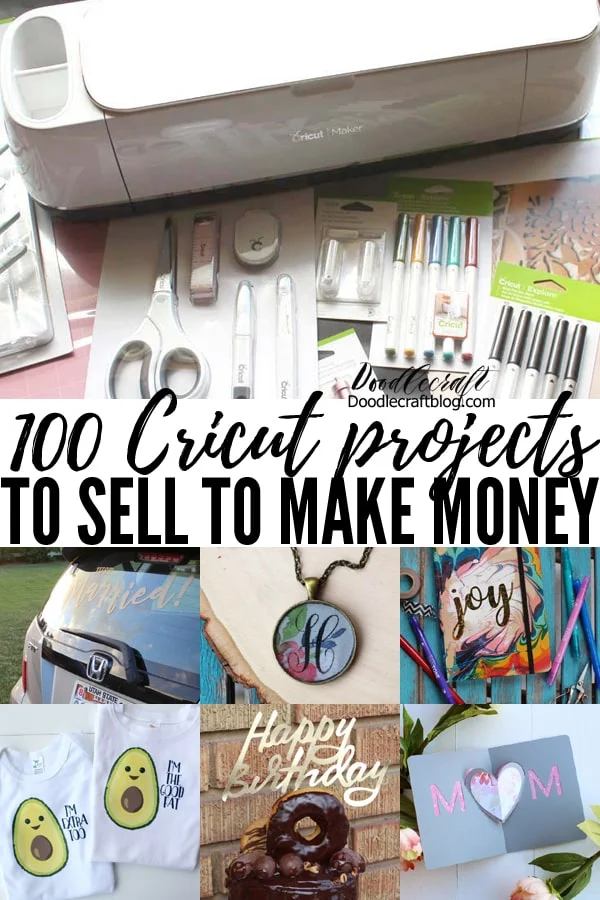
100 Cricut Projects to Sell to Make Money from Home--with the Cricut Maker!
Let's talk about making money from home--I'm going to share everything I know in this blog post about working from home selling handmade goods!
Everyone could use a little extra income--right? I love that I have found ways to earn income from the comfort of raising my children and wearing pajamas. It's turned into a profitable business and I have the best time creating!
Learn How to Make Money Crafting from Home!
Turn your favorite past time into a part time side hustle!
Everyone wants to make a little extra spending money this time of year.
I know that I love "paying off" my supplies by selling some of the things I make, this way they are paying rent to take up space on my desk, floor, table, spilling out of my craft room, etc.
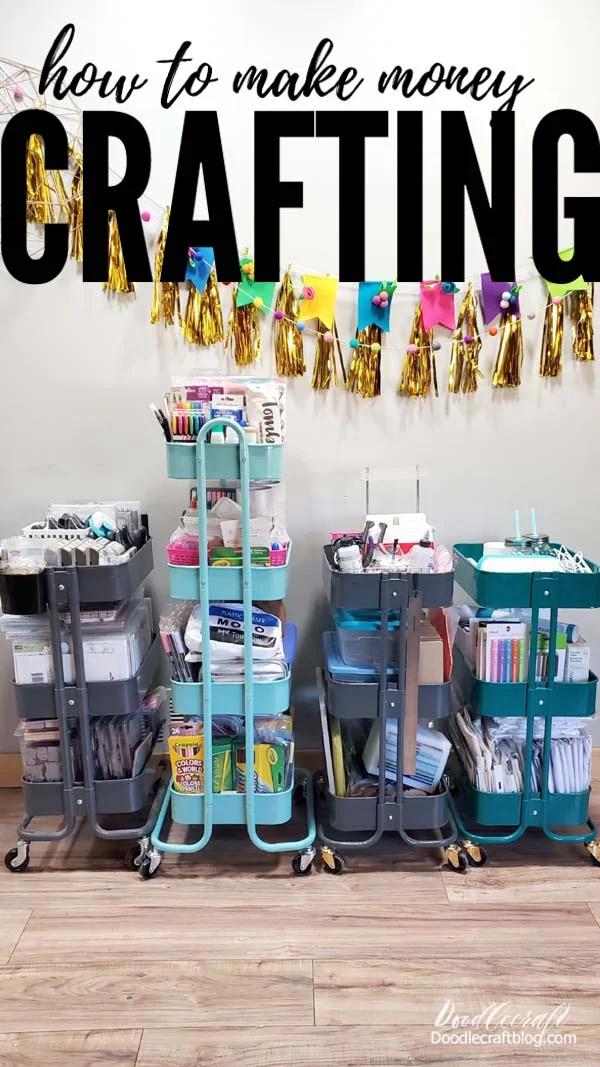
100 Ways to Make Extra Money! (From Home Side Hustle)
Everyone could use a little extra spending money, especially this time of year.
Get creative with your spare time and turn it into a great side hustle.

How to Start a Cricut Business from Home!
Everything you need to know about starting a Cricut business or side hustle from home.
Learn all the tips, tricks, and all my best advice about starting a Cricut business.
From the best selling items, how to price handmade goods, the business end of things and everything in between!
If you are thinking about making an income with Cricut, save this post--this is for you!

How to Start a Laser Cutting Business
Are you thinking of starting a laser cutting business?
Laser cutting can be a very lucrative line of work, it can also be overwhelming.
So I'm sharing everything you need to know to start a laser cutting business.
.jpg)
5 Ways to Make Money with Cricut Explore Air 2 Mint
Let's talk about the Cricut Explore Air 2 Mint. Here's a post about the machine set up and getting started. If my machine was to explode due to the carelessness of a friend, I would buy another one in a heart beat. These ways to make money with the Cricut Explore Air 2 Mint can also be applied to the Cricut Maker. Make that machine work for you.





-min.jpg)




Comments